Current PhD research · University of Lausanne

Morphology, Ecology, and Invasion Biology of Ants

Invasion biology Functional morphology Micro-CT Biomechanics Biogeography

My PhD research focuses on how morphology and function relate to ant ecology, with a particular emphasis on invasive species. I aim to identify morphological and functional traits that are associated with ecological strategies and invasion success across ant lineages.

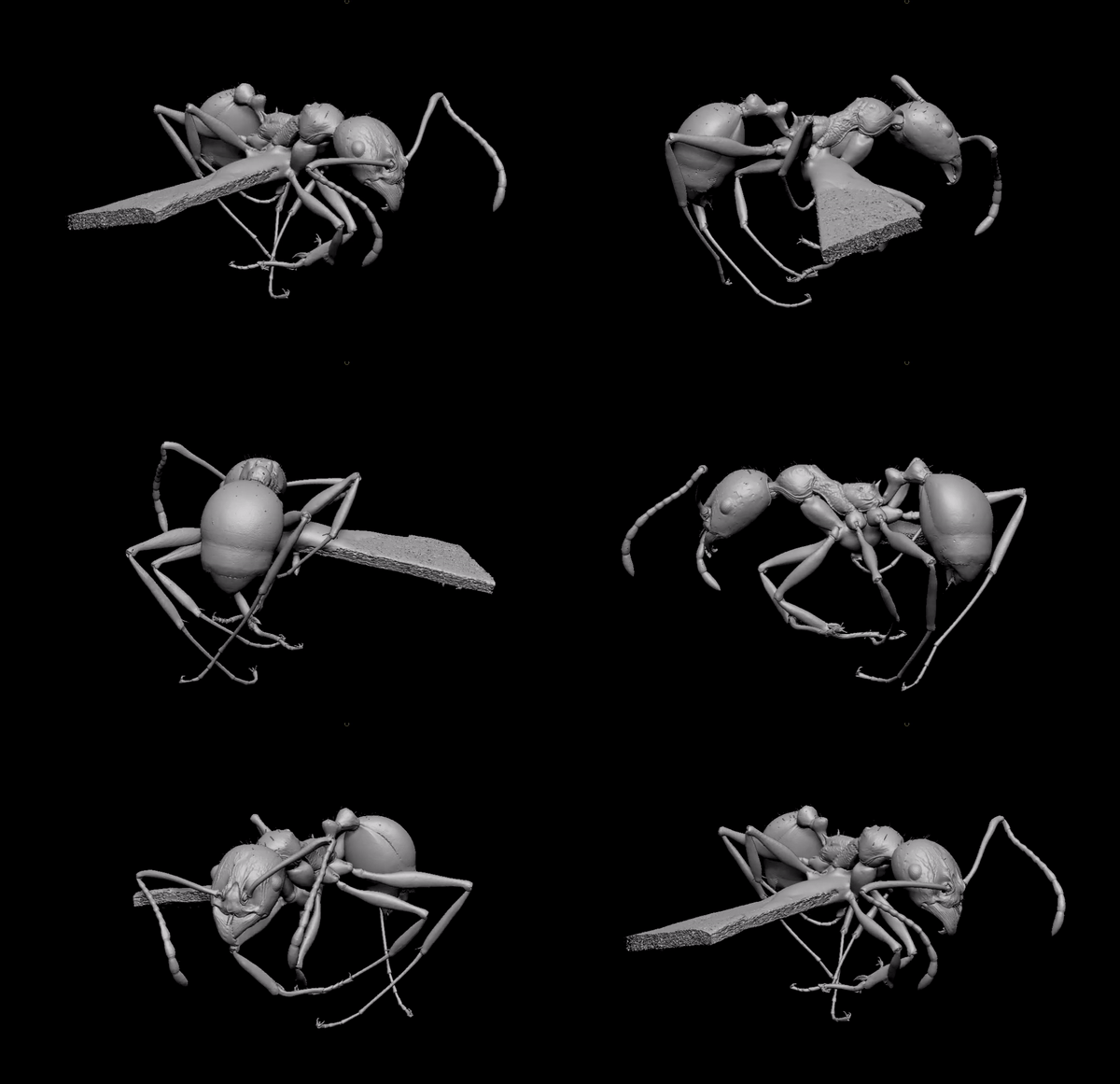
I integrate μCT-based 3D morphology and functional anatomy with muscle architecture, locomotor and behavioural data, and ecological, biogeographic, and phylogenetic information. By combining these complementary datasets, I am interested in understanding how phenotypic variation influences performance, ecological flexibility, and the ability of species to establish and spread in novel environments.

3D phenomics Muscle anatomy Locomotion Ecological traits Phylogenetic comparison
Functional and evolutionary morphology

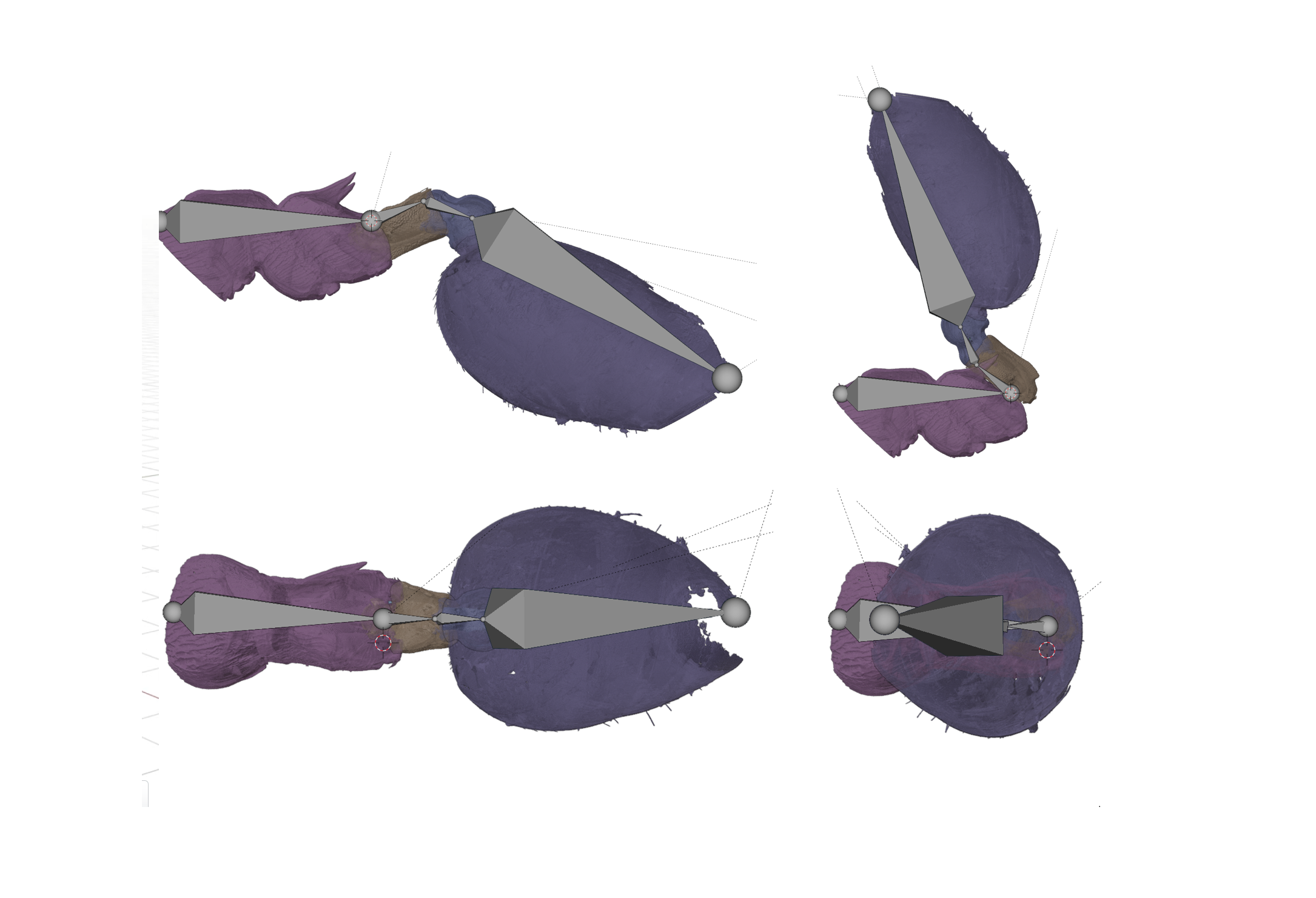
Evolution and Function of the Ant Waist

Biomechanics Functional morphology Evolutionary biology Synchrotron CT

The ant waist is a highly specialized articulation between the mesosoma and gaster, formed by one or two distinct waist segments depending on the lineage. Despite its importance in ant evolution and taxonomy, the functional consequences of its remarkable morphological diversity remain poorly understood.

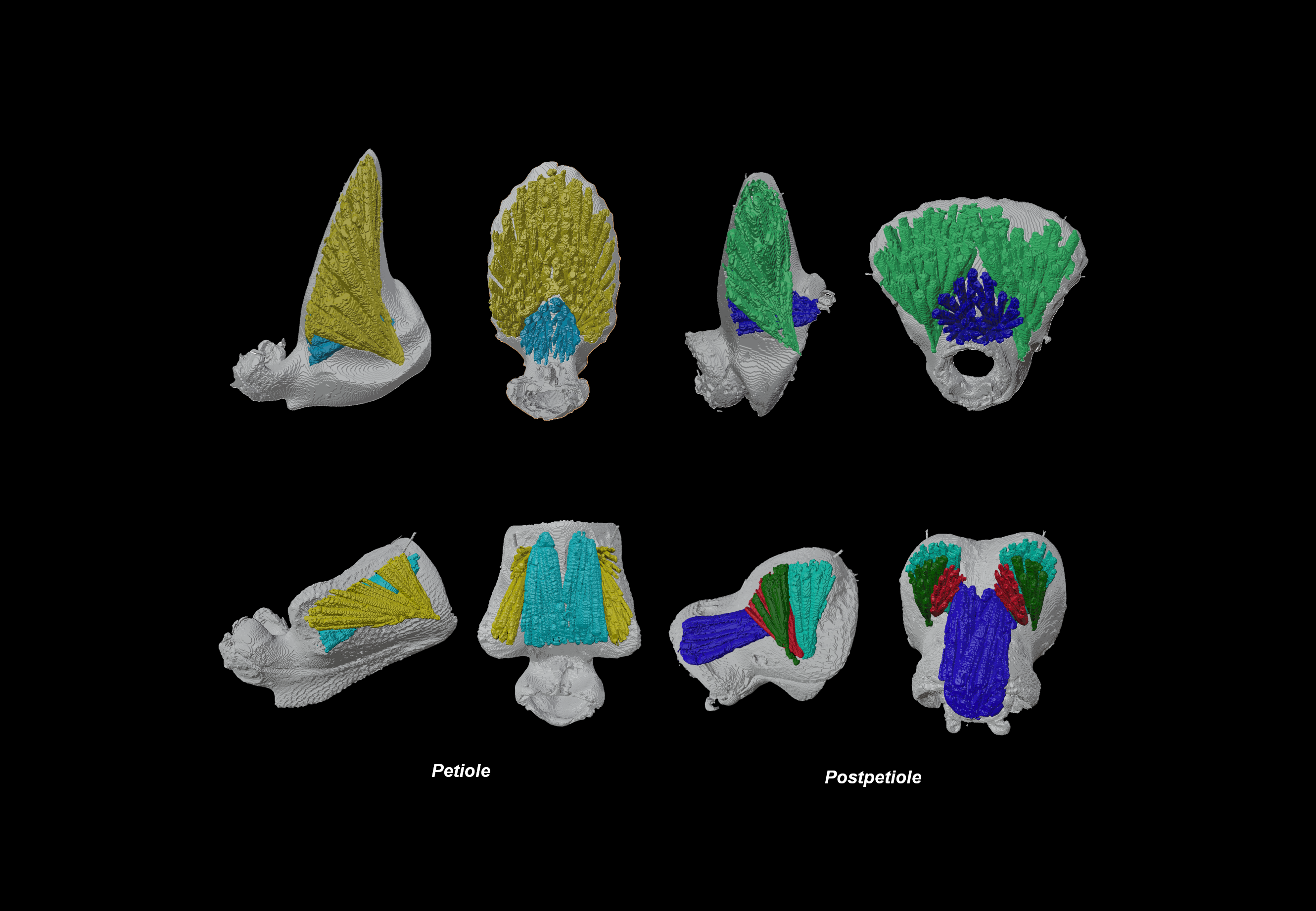
My MSc research investigated the biomechanical principles underlying this system by combining μCT and synchrotron CT imaging, 3D reconstruction, biomechanical modelling, and behavioural observations. I examined how joint architecture, muscle arrangement, and segmental mobility interact to generate abdominal movement and how these features vary among ants with different functional demands.

Phylogeny of the ant genus Aphaenogaster

Phylogenetics Micro-CT Biogeography Taxonomy

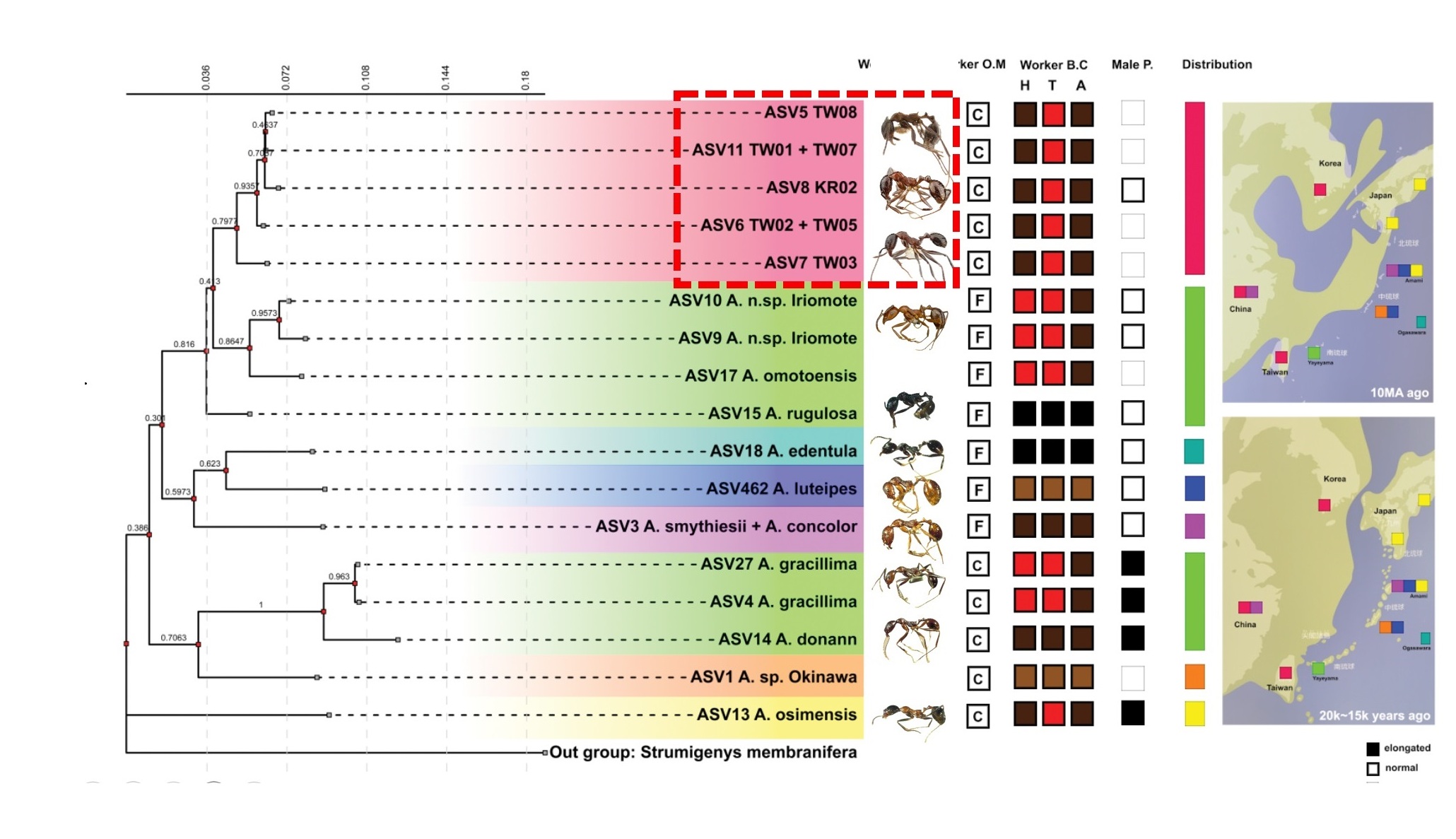
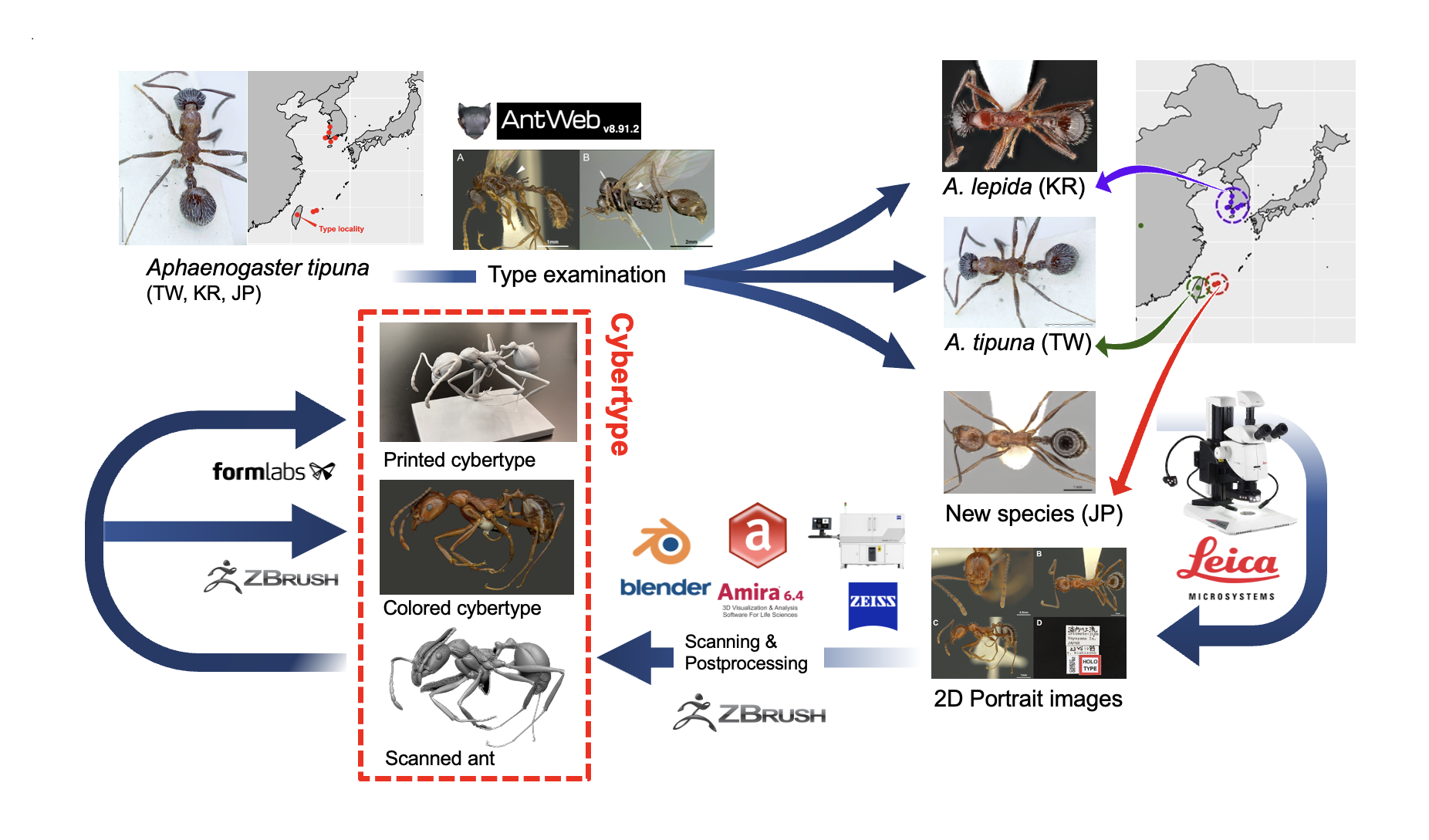
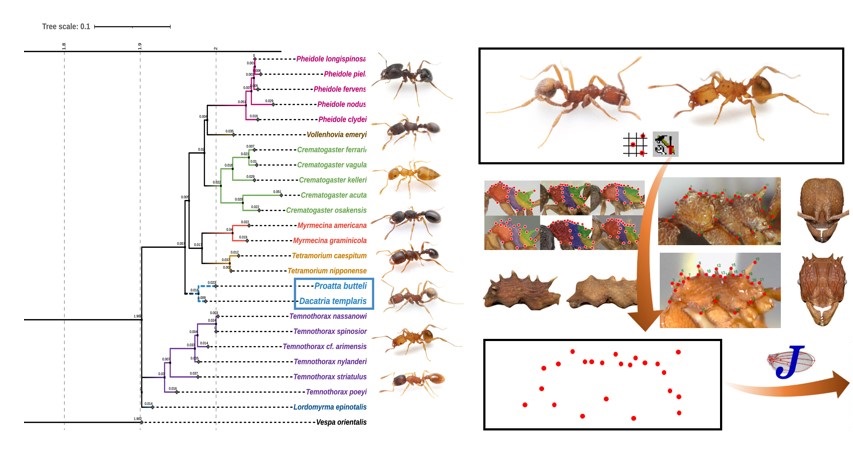
I began this project at OIST in Okinawa, investigating East Asian Aphaenogaster through molecular phylogenetics and μCT-based cybertypes. The project was subsequently expanded in Germany and now combines male morphology, 3D imaging, molecular evidence, and biogeographic information to clarify species boundaries and revise the taxonomy of several closely related East Asian taxa.

Other research interests

Macro Photography Computer Vision 3D Modeling

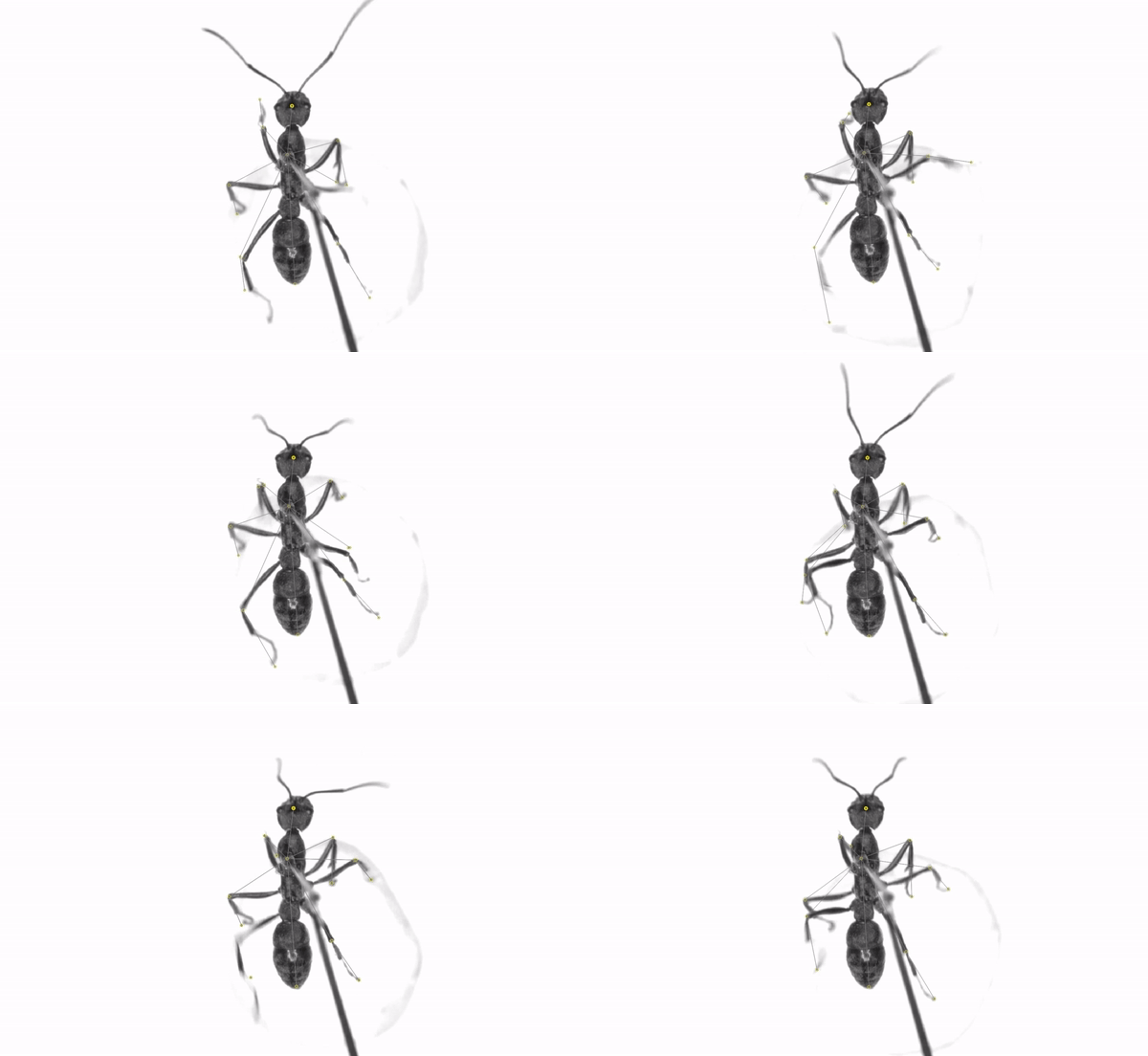
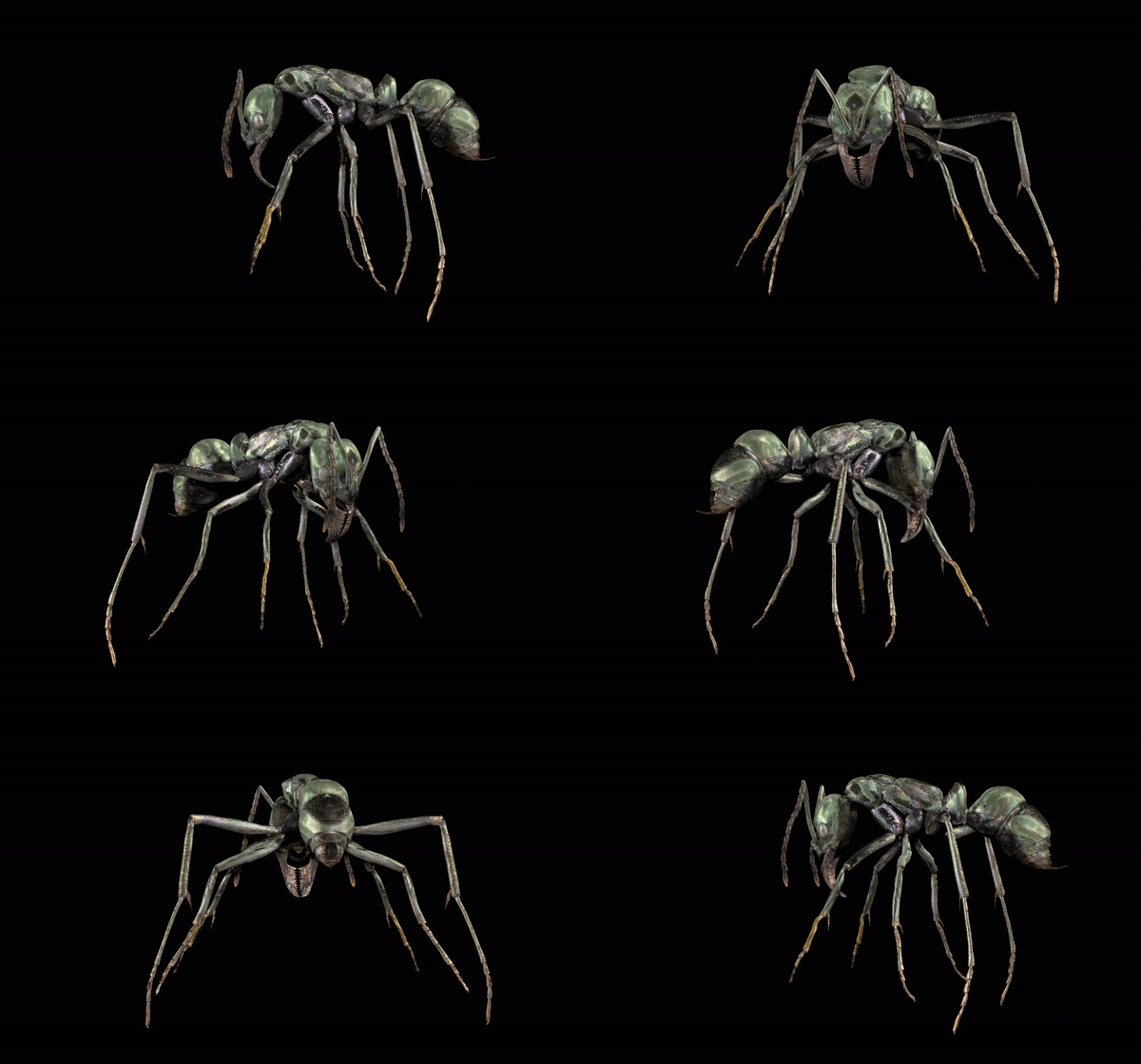
Beyond my core research questions, I am interested in methods that expand how insect form and movement can be measured and visualized. I work extensively with CT data, 3D reconstruction and modelling, macro photography, geometric morphometrics, and computer-vision approaches for extracting behavioural and locomotor information.

I am particularly interested in connecting high-resolution phenotypic data with quantitative analysis, and in evaluating how emerging computational tools can be used responsibly in morphology, taxonomy, and organismal biology.